World Indigenous People's Day: Learning to walk in Beauty
As we pause to observe the United Nations' (UN) Day of the World's Indigenous Peoples (9 August), it is fitting to ask ourselves what marking this event actually means.
The complex lives and cultures that the majority of people experience nowadays has led us to accept the abstract concepts of 'nation' and 'government' as something real and necessary. As such, we depend on them to define who we are and how we conduct ourselves in society.
The UN itself is merely an extension of this idea, its role being to guide these governments in terms of their conduct towards one another. This system of governments, laws and treaties are what many depend on to keep the world running. But what of the Indigenous people, who take quite a different approach?
For starters, there is no universally accepted definition of what 'Indigenous people' are, even within the UN. But they are usually understood to be cultural groups with a strong ancestral connection to a place. They also have an ongoing deeply held relationship with the land and the spirits of that place.
Sadly, it is most often the case that Indigenous people live in marginalised communities. These communities are under the colonial occupation of Western-style nation states. The states, meanwhile, are based on consumer economies that increasingly degrade the environments of which Indigenous people are an integral part.
Offering alternative approaches
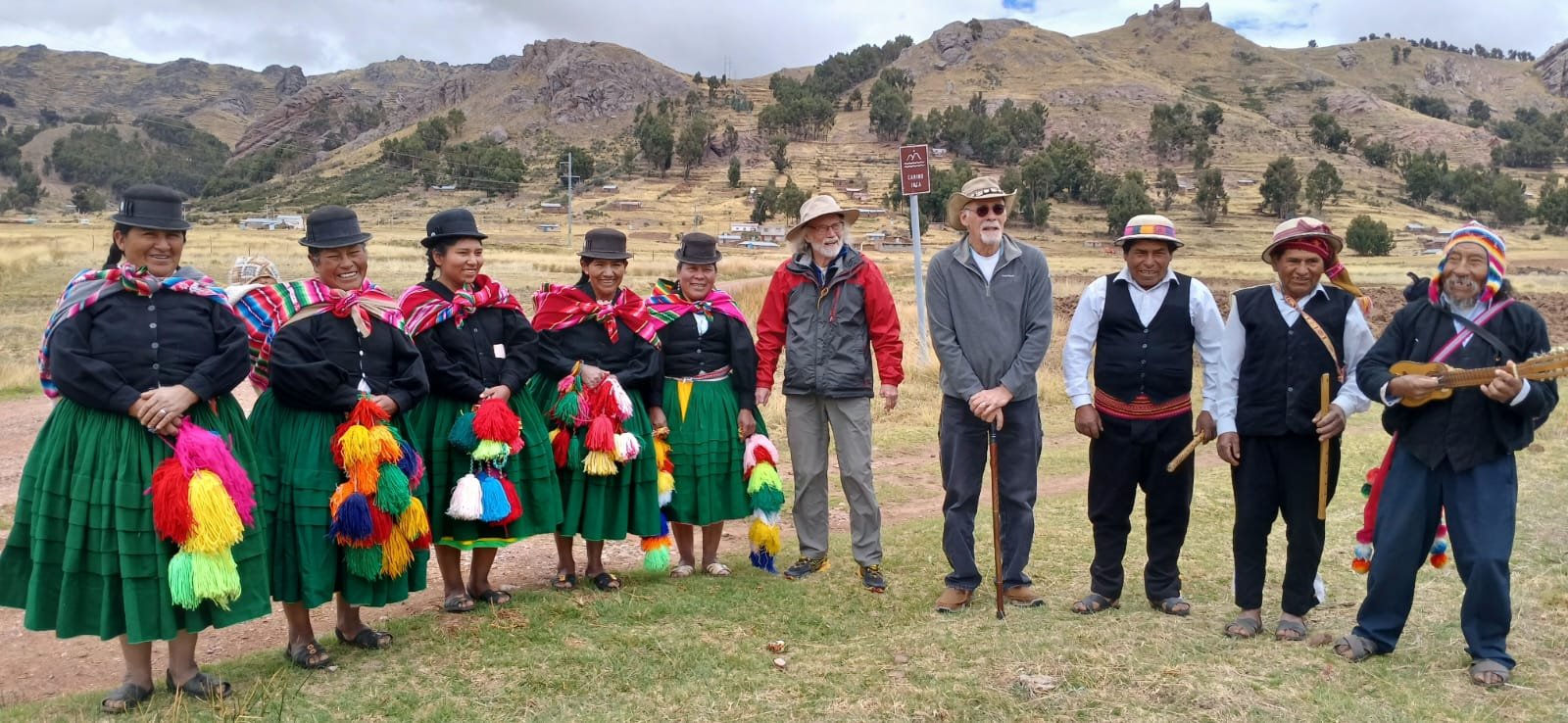
So, on Indigenous Peoples Day, it would be appropriate not only to recognise these Indigenous communities, but to listen to them and follow their example too. We stand on the brink of self-induced, global environmental destruction brought about by our exploitative consumer economies.
But our Indigenous relatives continue to demonstrate to us that sustainable circular economies are not only possible. This way of living has also supported them for as long as their collective memories can recollect.
Our Indigenous relatives demonstrate to us that acting in reciprocity with the environment that sustains them and in ways that provide for the wellbeing of both the wider community and future generations is far more important than amassing personal wealth.
Although being Indigenous is usually associated with originating in a particular place, it is also a mindset, a knowledge that one is part of and connected to the Earth and its other inhabitants. By extension, the significance of the self is secondary to that of the community.
A notable example of this is the Yanomami hunting practice of not keeping any of one's own quarry. Instead, hunters distribute it in its entirety among their neighbors in the knowledge that they, in the fullness of time, will share theirs.
This sense of belonging to a self-balancing system and playing a role in supporting it is both proper and natural. As a result, holding such a worldview makes it difficult for such communities to understand why outsiders would intentionally disrupt this balance and harm the environment that makes life possible.
Surviving against the odds
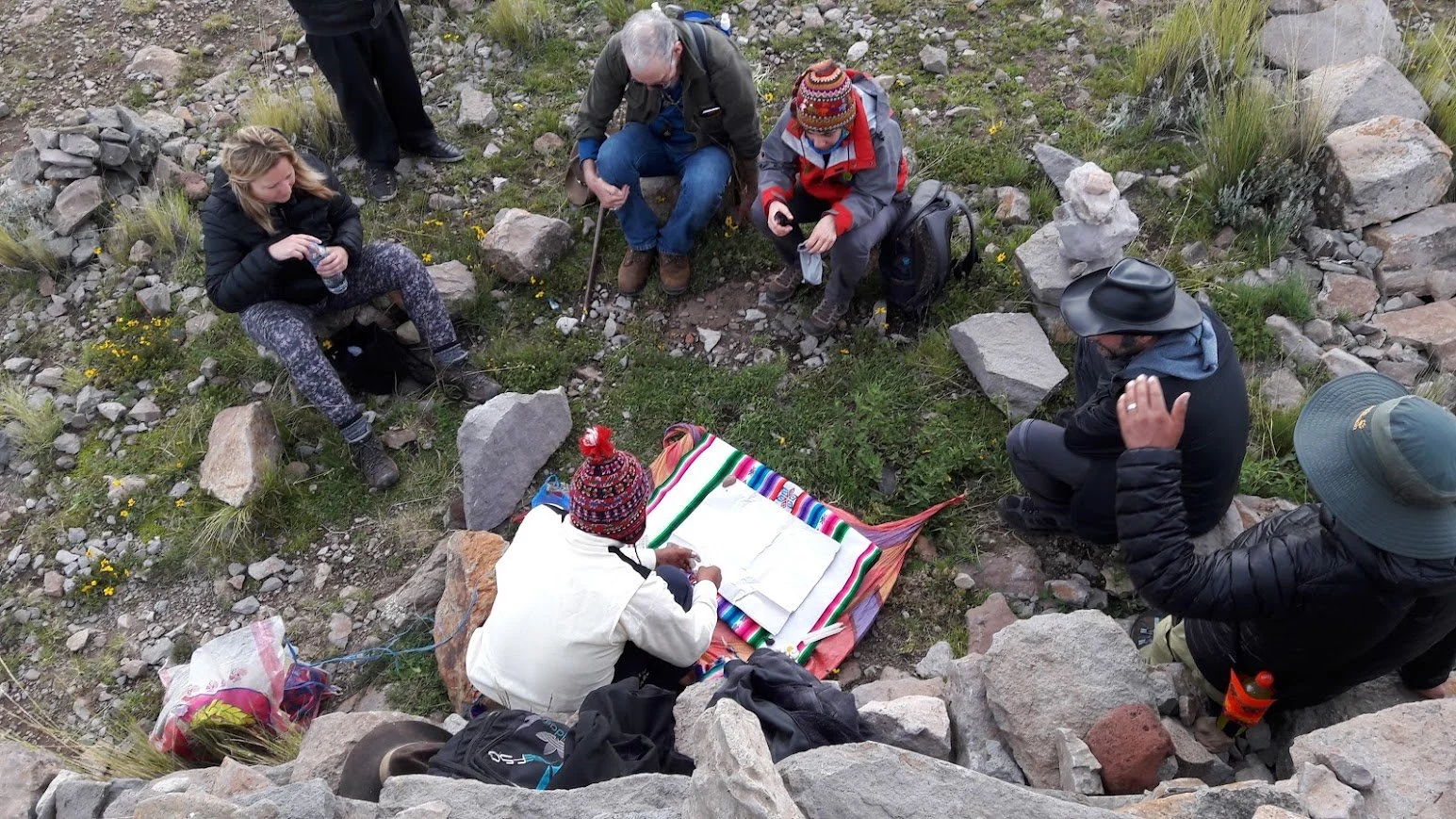
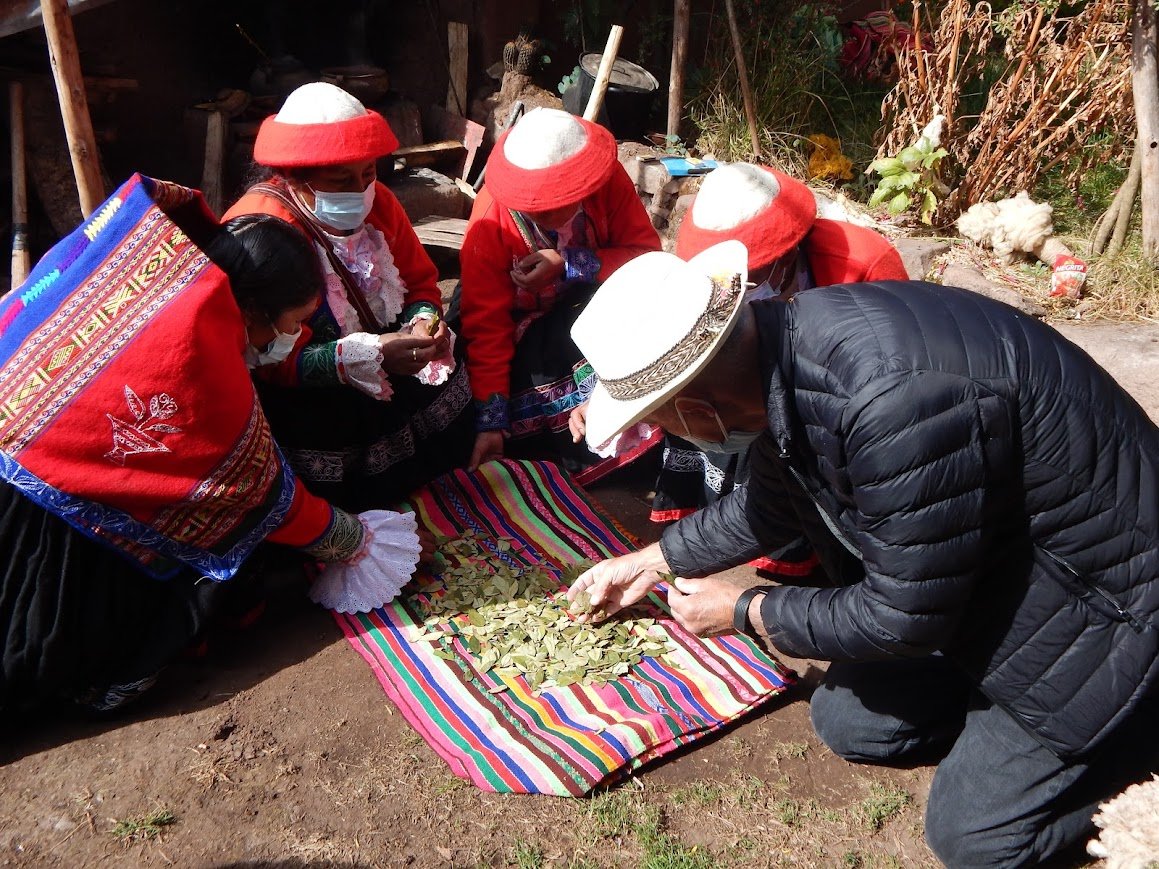
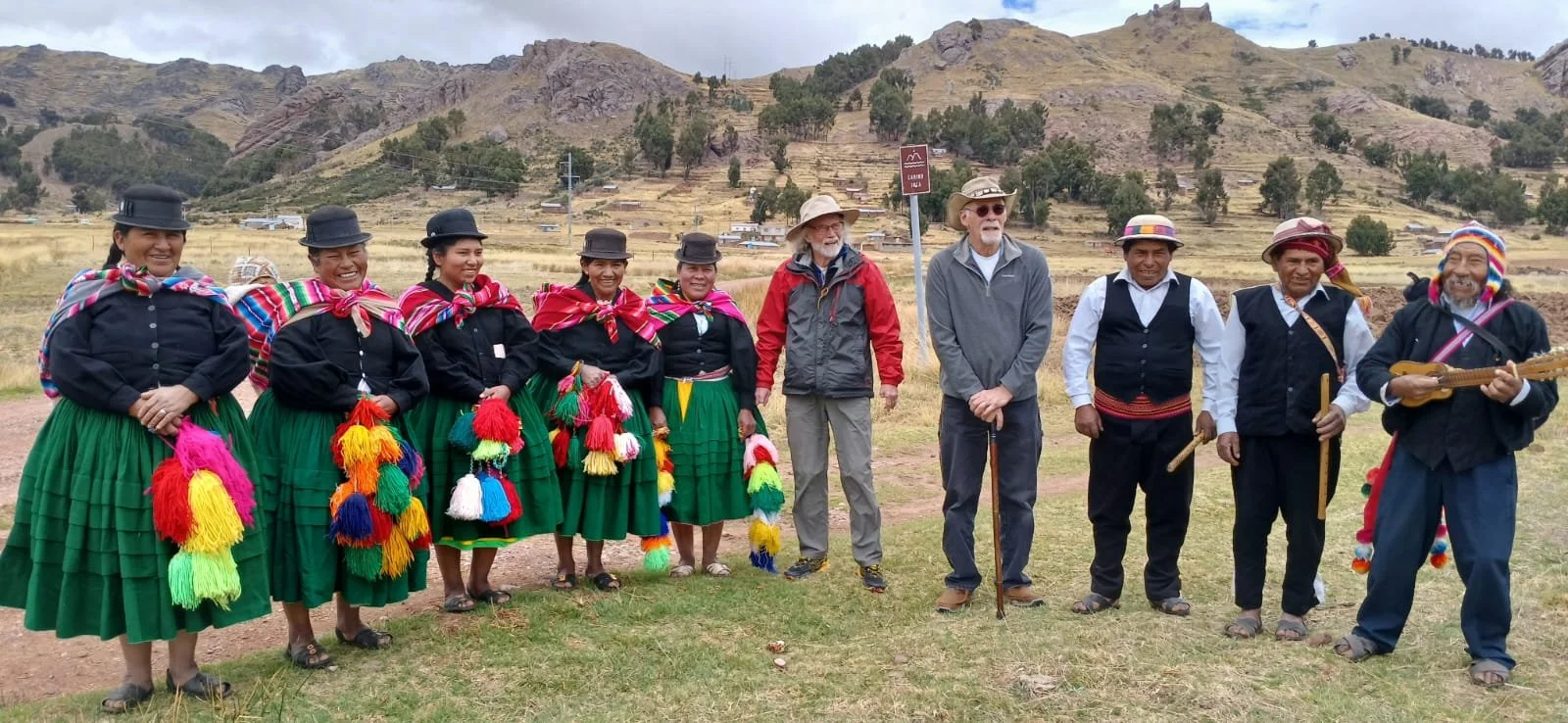
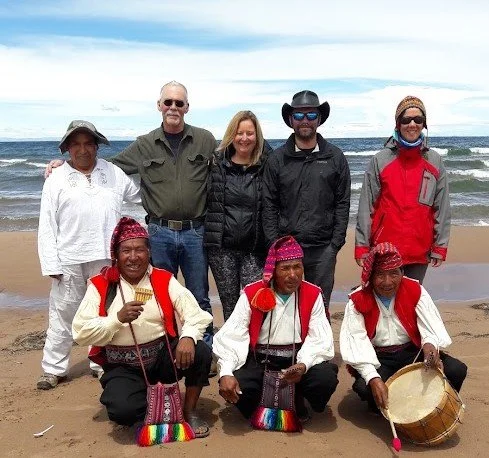
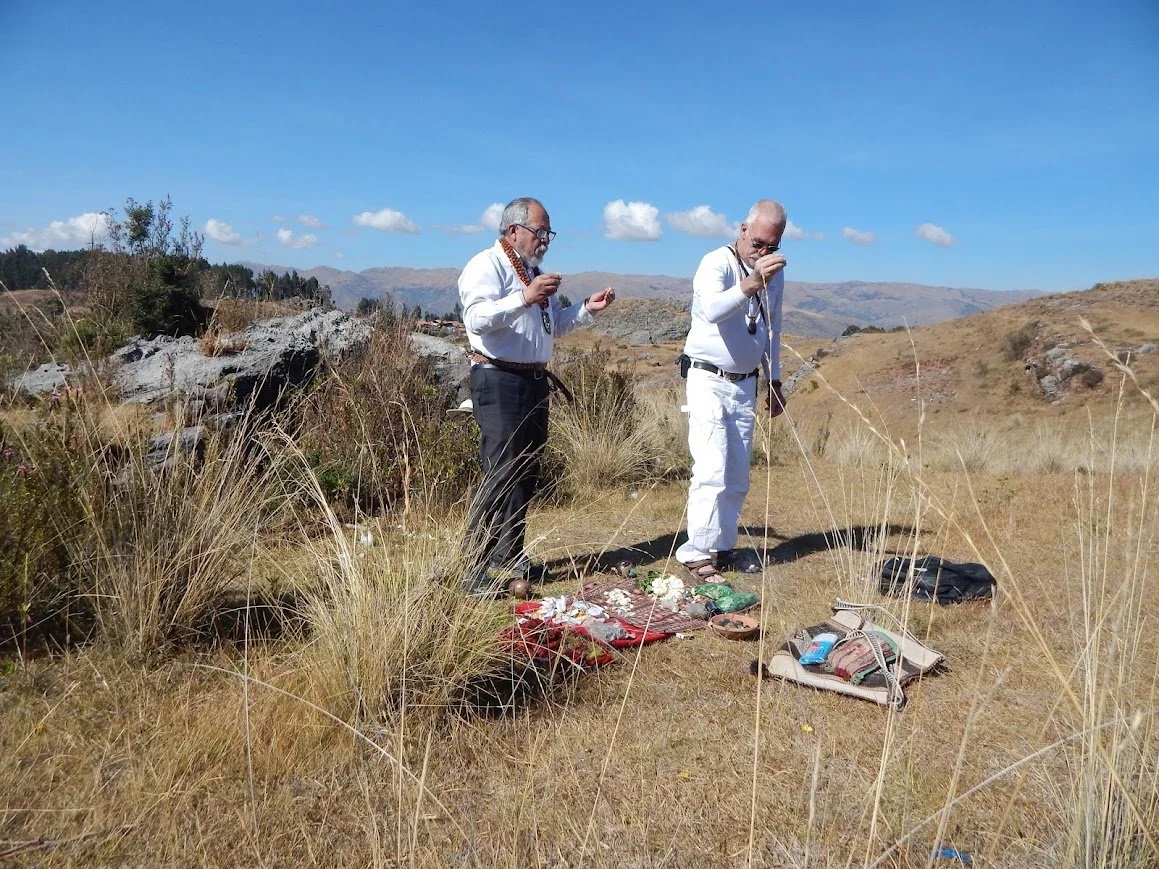
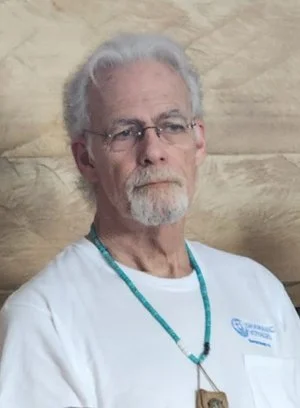
I have met various Indigenous people from many different places. Most have had their connection to their own traditional lifeways altered or nearly destroyed by colonisation and resource exploitation. Many have held on to as much of their identity as they can, while others have assimilated to survive.
But there are many who endure and still provide an example of how to live in harmony with the world. Their wisdom is crucial to our survival as a human species. Perhaps more importantly, their wisdom is also vital to understanding how we can serve the greater good by supporting an elegant and functioning system of living things.
Climate change has now reached the furthest corners of the world. Oil and gas extraction, the mining of precious metals and rare earth minerals are poisoning the Earth and her waterways. As global weather patterns change, the impact is disproportionately borne by Indigenous populations.
Traditional lifeways are becoming ever more difficult to maintain in these changing and degrading environments. As rivers dry up, midwives have difficulty reaching those in need of their services. Travel to hospitals or clinics when complications arise becomes nearly impossible. But these people did not bring this plight upon themselves. It was we dwellers in the modern world that did that.
More and more often, the voices of the world's Indigenous people are joining in calls for self-determination. They want the oil companies, miners, loggers, and other destructive forces, out of their territories. They want the chance to return to traditional ways while there is still time. This is not just about the environment itself. It's also about returning to a way of life that makes sense. They want their world back.
The value of Indigenous cultures
Partly in response to these pleas, the UN Human Rights Council resolved to adopt the Declaration on the Rights of Indigenous Peoples on 29 June 2006. Currently containing 46 articles, this document lays out a series of guidelines to protect Indigenous communities and give them a voice in matters pertaining to their lands and any legislation that may affect them. It also lays out rights of redress when their rights are violated.
Unfortunately, many of the signatories to this Declaration continue to violate its terms.
In addition to the social justice and environmental issues facing Indigenous People today, it is also important to recognise the value and importance of Indigenous cultures based on their own merit. Without them, humanity would be less rich. We would become a degree further separated from our natural world, making us even less connected to the web of life and our place within it.
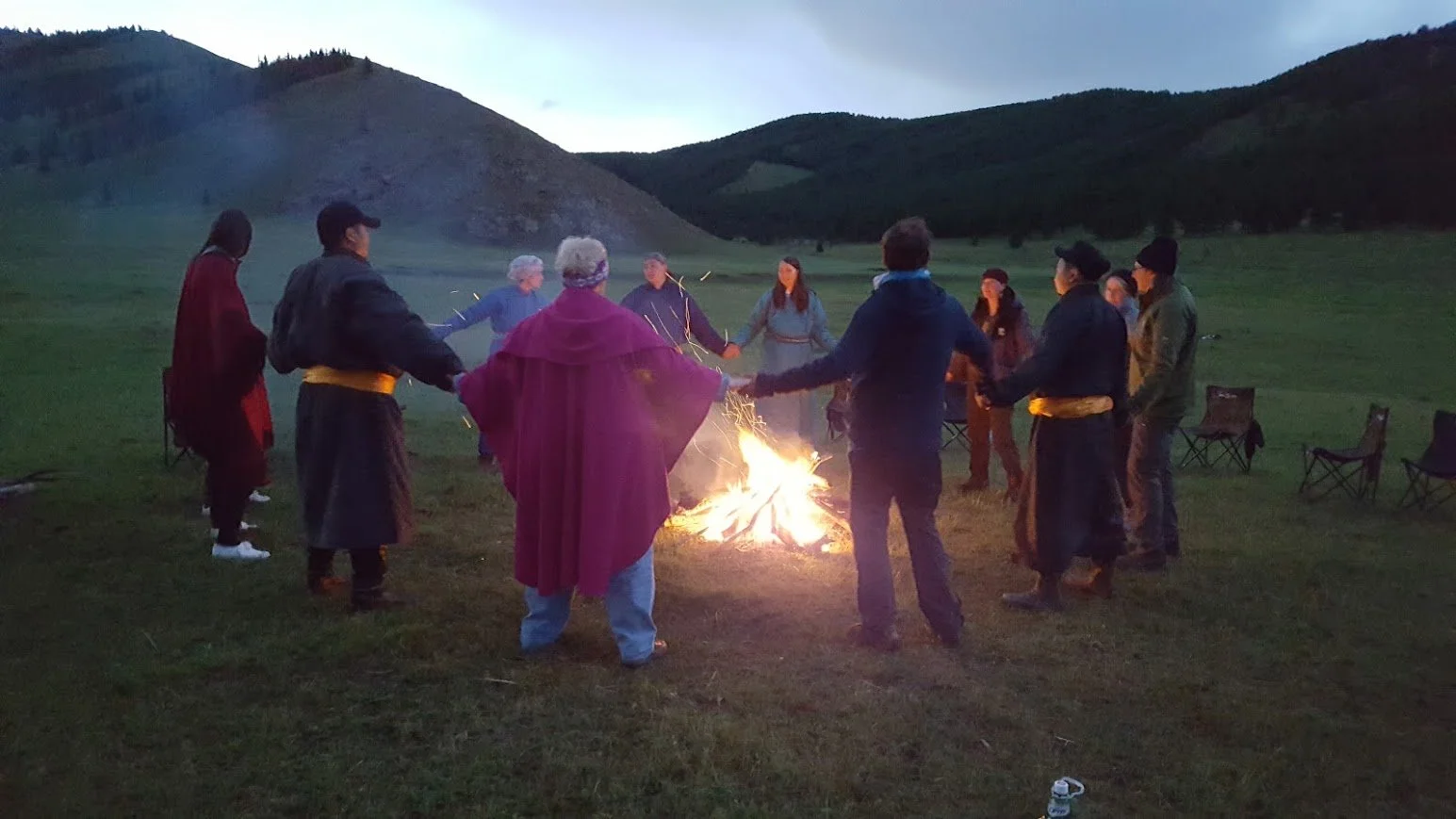
In my own spiritual tradition, Beauty is sacred. To destroy or neglect something Beautiful leads one away from spiritual harmony and right living. In most Indigenous traditions, reverence for the living Earth is central to their social and ceremonial way of life. I view this way of living as Beautiful and deserving of celebration and respect.
On 9 August, please find time to celebrate our Indigenous sisters and brothers throughout the world. Take a moment to go out of your way and listen to what they have to say, to feel the Beauty of their wisdom. If we simply listen, I am certain we will all benefit. If we don't, we will most certainly perish.
Walk in Beauty.